Boeing 787 Dreamliner Lawsuit Dismissed in SC
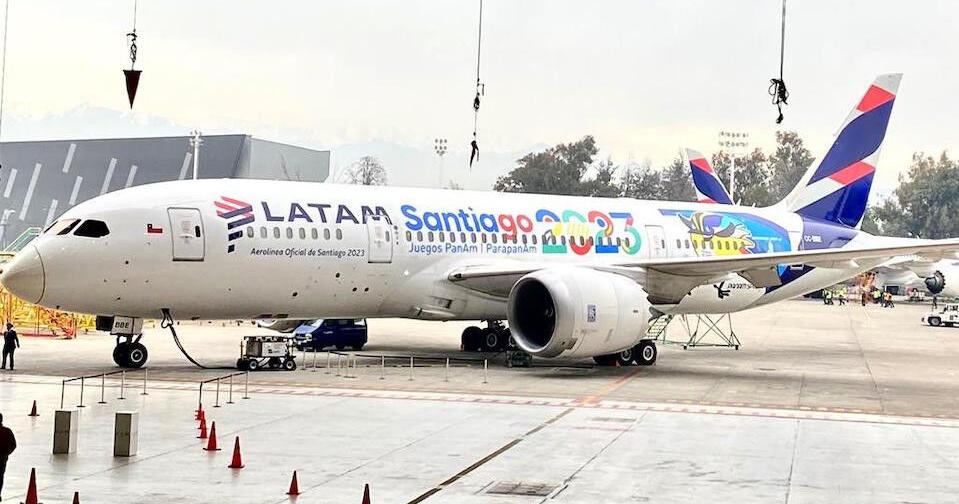
Legal Battle Over the boeing 787 dreamliner Ends in Charleston
A high-stakes legal battle involving a California couple and the manufacturer of the boeing 787 dreamliner has officially concluded in federal court. Nathaniel and Melanie Deschine dropped their complaint against the aerospace giant on November 23, according to court records filed in Charleston. The plaintiffs sought $100 million in punitive damages following a frightening mid-air incident during a commercial flight. Both legal teams agreed to cover their own respective expenses as part of the resolution.
The case was dismissed with prejudice, meaning the specific claims brought forward by the passengers cannot be refiled in the future. Mount Pleasant-based firm Motley Rice originally filed the lawsuit earlier in the year. The complaint detailed severe emotional distress, anxiety, and lingering psychological trauma stemming from the terrifying airborne event. The aircraft involved was built at the Boeing South Carolina manufacturing facility located in North Charleston.
Legal representatives for both parties signed off on the one-page dismissal document filed in U.S. District Court. John McDermott, a long-serving business editor in the region, notes that local economic and industrial hubs remain heavily tied to aerospace manufacturing. The sudden withdrawal came as a surprise to court observers who expected a lengthy trial over passenger safety and corporate liability. The plaintiffs did not provide any official public reason for why they chose to walk away from the massive financial claim.

Details of the Flight Incident
The harrowing ordeal took place on March 11, 2024, involving a Latam Airlines wide-body jet flying high over the South Pacific. The vehicle suddenly entered an abrupt 400-foot nosedive while cruising at an altitude of 41,000 feet. Roughly 50 passengers sustained injuries during the rapid descent, which measured 3,165 feet per minute.
- Passengers and loose cabin items were forcefully thrown against the ceiling.
- Travelers reported intense fear, screaming, and the belief that the plane was going to crash.
- The affected couple suffered physical bruises during the chaos.
Flight crew members managed to pull the aircraft out of the steep dive quickly and continued their journey safely to Auckland, New Zealand. Investigators later pointed to a malfunctioning seat-adjustment switch in the cockpit. This faulty component allegedly propelled the pilot directly into the control panel, accidentally disengaging the autopilot system and triggering the sudden plunge.
Passengers described a chaotic scene where personal belongings flew through the cabin. Many individuals feared for their lives as the wide-body jet plummeted toward the ocean before the pilots regained manual control. The physical injuries ranged from minor bruising to more severe impacts requiring medical attention upon landing in New Zealand.
Regulatory and Industry Fallout
Following the harrowing event, regulatory bodies and the manufacturer took swift action to address potential safety concerns across the global fleet. Boeing recommended that operators check motorized crew seats during their next scheduled maintenance checks. Subsequently, the Federal Aviation Administration issued an urgent airworthiness directive in August 2024. This mandate required rigorous inspections across approximately 160 similar aircraft after multiple reports surfaced regarding faulty seat switches.
Airlines operating wide-body jets worldwide had to scramble to comply with the federal mandates. Technicians inspected cockpit seating components meticulously to ensure no loose or broken toggle guards could activate accidentally. Industry experts point out that these rapid directives illustrate how seriously aviation regulators treat mechanical anomalies involving flight deck controls. Ground crews verified switch integrity across numerous carriers to restore complete confidence in the popular commercial fleet.

Court Proceedings and Defense
The plaintiffs had originally requested a jury trial to determine financial compensation for their ordeal. In response to the complaint, the aerospace company outlined several legal arguments detailing why the case warranted a complete dismissal. Attorneys representing the manufacturer submitted formal defenses before the plaintiffs ultimately filed their brief notice of dismissal through legal counsel without disclosing a public reason for the withdrawal.
Defense attorneys argued against the punitive damage claims by highlighting industry safety compliance and rapid post-incident remediation steps. The legal arguments focused heavily on whether the manufacturer could be held directly liable for an operational cockpit anomaly occurring mid-flight. Even though the trial will never happen, the submitted paperwork left a detailed public record of the opposing legal strategies employed by both sides.

Why the Resolution Matters
The closure of this litigation marks the end of a high-profile legal challenge stemming from a rare operational malfunction at cruising altitude. While the federal lawsuit in South Carolina has concluded, the broader implications of the incident prompted widespread technical reviews and mandatory FAA directives across international aviation operators. Fleet operators continue to monitor cockpit equipment standards closely to prevent similar unexpected flight deck anomalies.
Insurance providers, corporate defense teams, and aviation lawyers will likely study how this dismissed case unfolded in Charleston. Although no financial payout was awarded, the spotlight remains firmly fixed on equipment reliability in modern commercial aviation. Maintenance schedules for seating assemblies across global carriers have permanently changed as a direct result of the terrifying South Pacific flight.
Frequently Asked Questions
Why was the lawsuit dismissed?
The plaintiffs filed a brief notice of dismissal on November 23 without stating a public reason for dropping the complaint.
What caused the sudden aircraft dive?
The incident was tied to a malfunctioning seat-adjustment switch in the cockpit that propelled the pilot into the control panel and disengaged the autopilot.
How many passengers were injured?
Roughly 50 passengers sustained injuries during the abrupt nosedive over the South Pacific.