Retirement Age Labels Overhauled in New Law
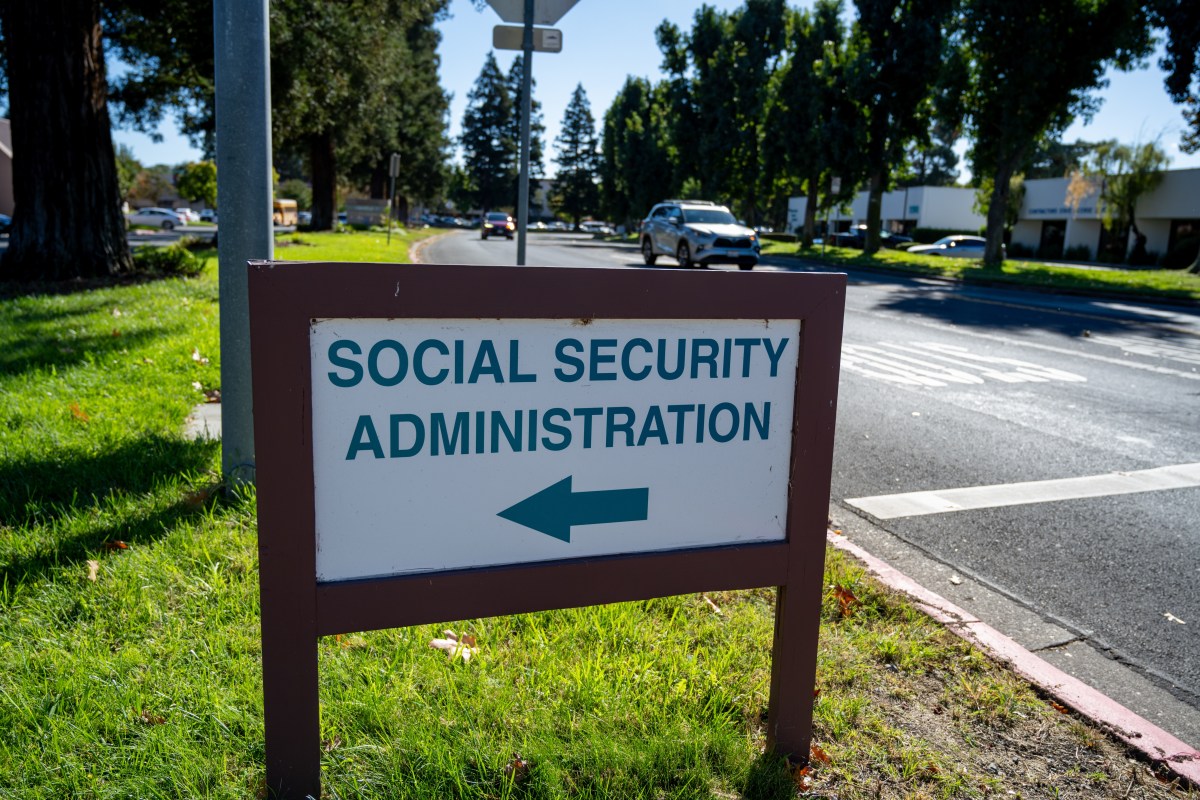
American workers reading through their Social Security benefit estimates will soon see unfamiliar phrases replace longstanding program jargon. President Donald Trump signed the bipartisan Claiming Age Clarity Act, designated H.R. 5284, into law in Washington on November 20. The measure overhaul how the Social Security Administration describes milestone benchmarks, putting an end to phrases like "early eligibility" and traditional retirement age benchmarks across official government communications.
The law does not shift statutory eligibility rules or cut benefits. Instead, lawmakers want clear descriptions that explain plainly how claiming timing directly dictates the size of a recipient’s monthly check.
How New Labels Redefine Retirement Age Milestones
For decades, workers learned to look for their full retirement age on annual benefit summaries. Under the new legislation, that established wording disappears from administrative vocabulary. The federal agency must retire "full retirement age" as well as "normal retirement age," swapping both for "standard monthly benefit age."
This revised standard benchmark identifies the point when an individual receives their complete, unreduced benefit amount. The exact year continues to depend on birth year. For workers reaching age 62 in 2026, the standard marker remains age 67.
Rebranding Early and Delayed Claiming
Other familiar labels will also phase out across printed forms and digital portals:
- Minimum Monthly Benefit Age: Replaces "early eligibility age" for claiming at age 62, the earliest threshold for drawing benefits on an individual earnings record.
- Standard Monthly Benefit Age: Replaces "full retirement age" and "normal retirement age," representing the point where benefits face neither reductions nor bonus credits.
- Maximum Monthly Benefit Age: Replaces the old milestone at age 70, formally eliminating the term "delayed retirement credit" from public materials.
Under federal regulations, payments grow for every month a worker delays filing past their standard milestone until age 70. Waiting past age 70 yields no additional benefit bump. Calling age 70 the maximum threshold clarifies that waiting longer provides zero financial return.
Impact of Timing on Your Monthly Check
Officials hope the clearer vocabulary prevents costly misunderstandings among future retirees. Many people previously assumed that "early eligibility" carried no financial penalty, or that "full" implied benefits could never grow any higher.
In reality, claiming timing produces massive payment swings. Filing at age 62 permanently shrinks a retiree’s monthly check. For people born in 1960 or later, taking benefits at 62 locks in a monthly check roughly 30 percent smaller than what they would collect at 67.
Conversely, holding out past the standard retirement age adds monthly gains through age 70. The new terminology does not promise equal checks to everyone who waits until age 70. Actual monthly amounts still hinge strictly on lifetime earnings, years worked, year of birth and the chosen filing date.
What Happens Next for the Social Security Administration
Federal officials now face a strict deadline to update every publication, online calculator and personalized benefit statement. The Claiming Age Clarity Act requires the Social Security Administration to complete the terminology switch by November 20, 2027.
The agency has not yet announced an official start date for rolling out the refreshed labels. Inquiries sent to the agency and the bill’s sponsors seeking implementation schedules yielded no immediate response outside standard operating hours. Transition efforts will span both digital platforms and physical pamphlets distributed at regional agency offices nationwide.
Frequently Asked Questions
Did the new law raise the Social Security retirement age?
No. The legislation changes only official terminology in public materials. The baseline claiming ages remain 62 for minimum benefits, 67 for standard benefits for those born in 1960 or later, and 70 for maximum benefits.
When will the Social Security Administration adopt the new terms?
The agency is legally required to implement the new labels across its digital and printed materials by November 20, 2027. An exact start date has not yet been announced.
Does claiming at age 70 guarantee the same benefit check to everyone?
No. Reaching the maximum monthly benefit age provides the highest possible payout based on a worker’s personal record, but the final dollar amount still depends on lifetime earnings history and birth year.