United Fidelity Bank Collapse Shocks US Banking Sector
How the United Fidelity Bank Collapse Unfolded
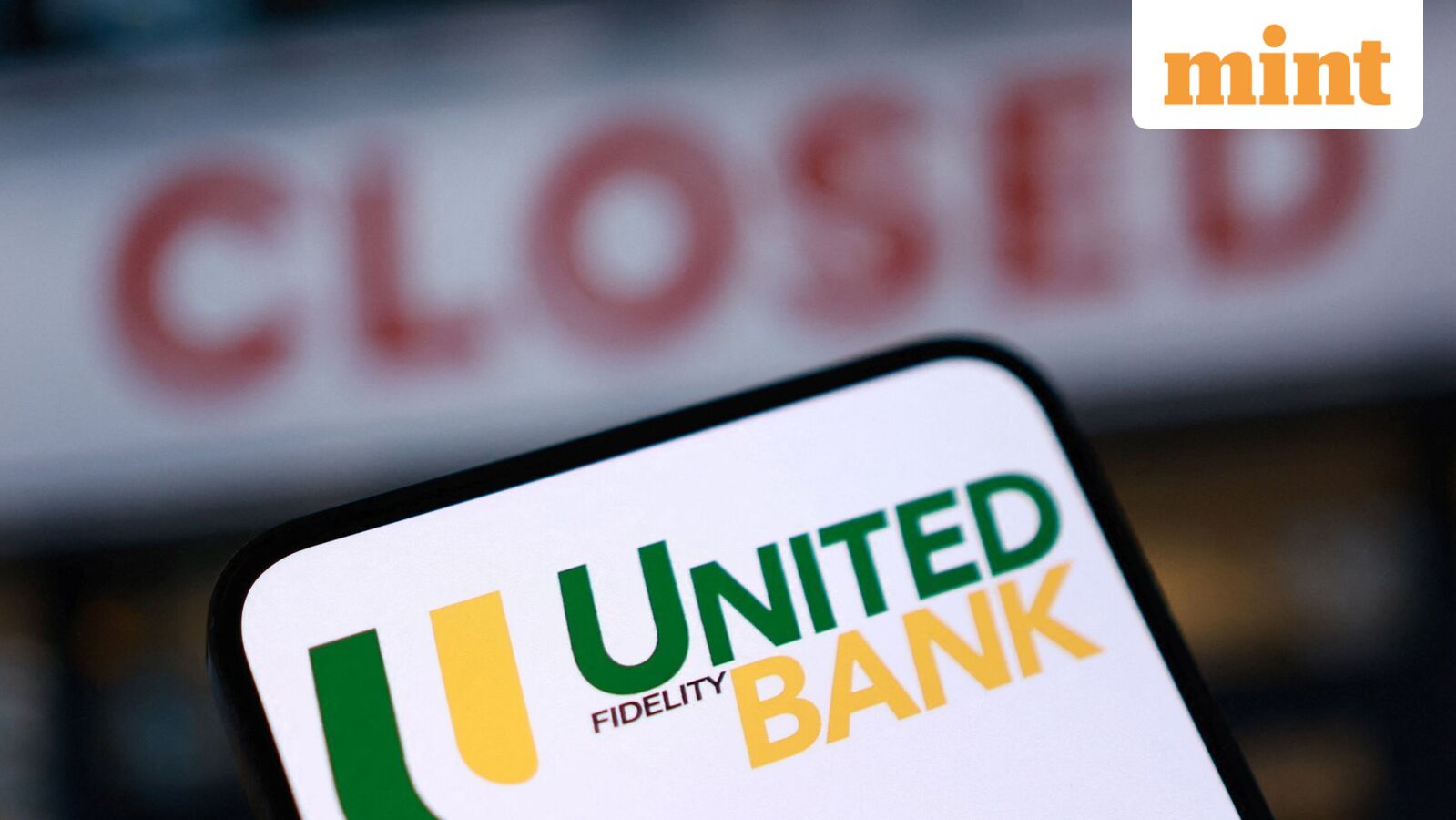
Federal regulators closed Indiana-based United Fidelity Bank on Friday, November 27, 2026, marking the largest US bank failure in two years. The Office of the Comptroller of the Currency shut down the Evansville lender after finding it was likely unable to meet its obligations. Subsequently, the Federal Deposit Insurance Corporation was named receiver for the institution. No advance notice is typically given to the public when a financial institution faces such a sudden shutdown.
According to Bloomberg, the lender had about $5.9 billion in total assets and around $5.4 billion in deposits by the end of September. The united fidelity bank collapse represents the seventh US financial institution failure this year. This total marks the highest number of failures in nearly a decade, though their combined assets remain modest compared to the massive collapses seen in 2023 with Silicon Valley Bank and First Republic Bank.
Interestingly, United Fidelity used to buy failed banks itself. FDIC records show that since 2014, the Indiana lender took over deposits from at least five failed banks, including a Florida institution in 2020. The tables turned rapidly as economic pressures mounted on regional lenders across the country.
First Citizens Steps In
First Citizens Bank agreed to take over substantially all deposits and assets held by the failed lender. The agreement covers about $4.5 billion in deposits and $3.1 billion in loans based on balances from the end of September. First Citizens acquired the assets at a discount of about $2.6 billion and paid no premium for the deposits following a competitive bidding process.
The closure is expected to cost the FDIC’s Deposit Insurance Fund an estimated $1.83 billion. This event stands as the biggest failure of a US bank since the shutdown of Philadelphia-based Republic First Bank in April 2024, which also held roughly $6 billion in assets.
What Customers Need to Know
Account holders do not need to change their banking relationships because they retain all funds and deposit insurance coverage. Depositors automatically become customers of First Citizens, and their money remains fully secure. People can continue writing checks and using debit cards or ATMs over the weekend without interruption.
- 22 branches across Indiana, Illinois, Florida, Colorado, and the U.S. Virgin Islands reopen as First Citizens locations during normal operating hours.
- Loan customers must continue making their regular payments as usual and process checks drawn on the institution normally.
- Clients should keep using their existing branches until First Citizens finishes its internal systems changes and notifies them.
Beyond checking accounts, customers might hold Certificates of Deposit, business accounts, or Social Security direct deposits. All of these relationships transition smoothly over to the acquiring bank. First Citizens has a recent history of absorbing major failed institutions, having famously purchased Silicon Valley Bank after its collapse in 2023.
Frequently Asked Questions
Who closed United Fidelity Bank?
The Office of the Comptroller of the Currency shut down the lender on Friday, November 27, 2026, and appointed the FDIC as receiver.
Are my deposits safe with First Citizens?
Yes, all depositors retain their funds and deposit insurance coverage as their accounts transfer directly to First Citizens Bank.
How many branches are affected?
The closure impacts 22 branches located in Indiana, Illinois, Florida, Colorado, and the U.S. Virgin Islands, which reopen as First Citizens sites.